Blake Bennett · 19 October 2026
Pelena's Street Art Murals Map Neighborhood Stories Through Community Workshops
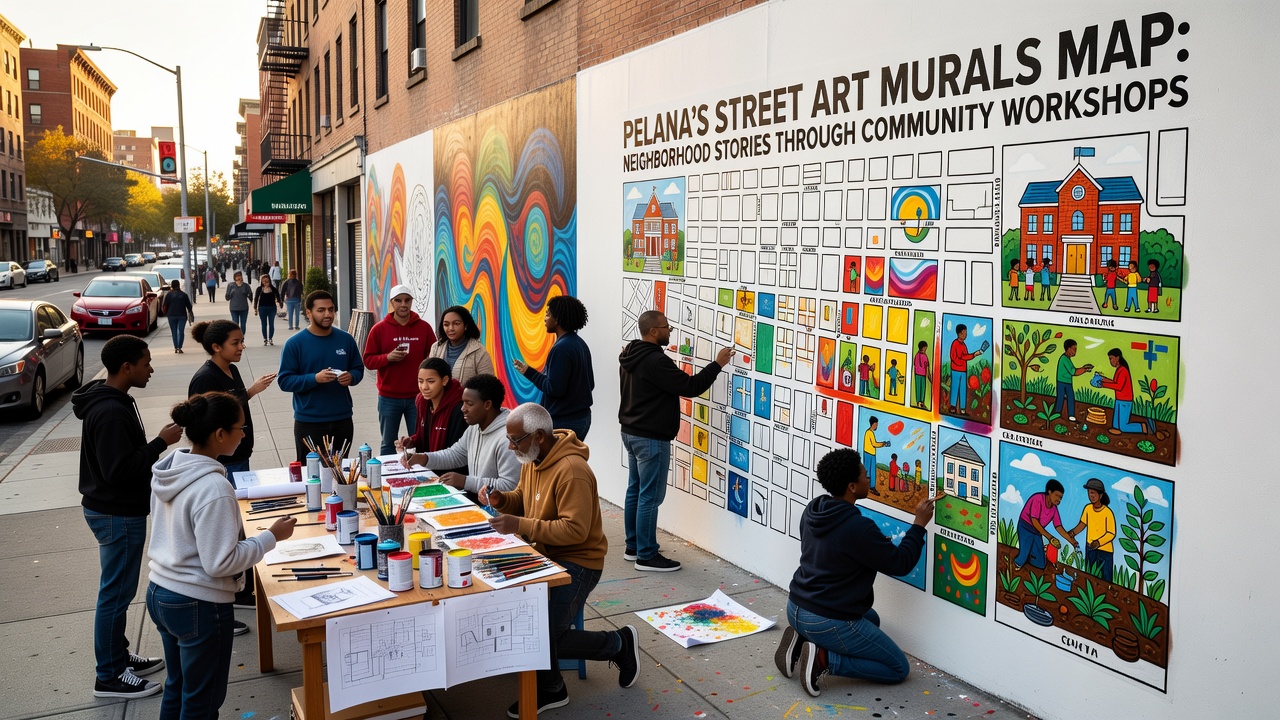
Community workshops across Pelena have produced a growing collection of street art murals that document neighborhood histories and daily experiences through collaborative design sessions. Residents participate in structured sessions led by local artists where they recount personal accounts of the area and these details form the basis for large-scale public artworks installed on building exteriors and public walls. Organizers report that the process began in early 2024 and continues with regular cycles that draw participants from multiple districts.
Workshop Structure and Participation
Each session starts with facilitated discussions where attendees describe landmarks, family traditions and changes observed over decades while artists record key elements on shared boards. These notes then translate into preliminary sketches that residents review and adjust before final painting begins. Data collected by the Pelena Cultural Mapping Project shows average attendance of 25 to 40 people per workshop with repeat participation from 60 percent of those who attend the first meeting. Sessions run for four to six weeks and conclude with a public unveiling event that includes short talks from contributors.
Local records indicate workshops operate in six neighborhoods so far with plans to expand to two additional areas by the end of 2025. Materials come from regional suppliers and costs are covered through municipal grants plus small contributions from participating businesses. Artists receive compensation through the same funding stream while volunteers handle logistics such as site preparation and cleanup.
Stories Captured in Murals
Murals feature scenes that reference specific events including a 1970s market relocation in the central district and a series of community gardens established in the eastern zone during the 1990s. One piece in the northern neighborhood depicts the layout of former tram lines that residents described during sessions along with current pedestrian routes that replaced them. Another work in the southern area illustrates seasonal fishing practices that families have maintained for generations with symbolic elements added after group feedback.
Photographic documentation maintained by the project shows consistent use of local color palettes and architectural references drawn directly from participant descriptions. Observers note that the resulting images avoid generic imagery in favor of precise details such as particular shop signs or tree species mentioned during meetings. This approach creates visual records that function as both artistic installations and informal archives for the districts involved.
October 2026 Schedule and Expansion
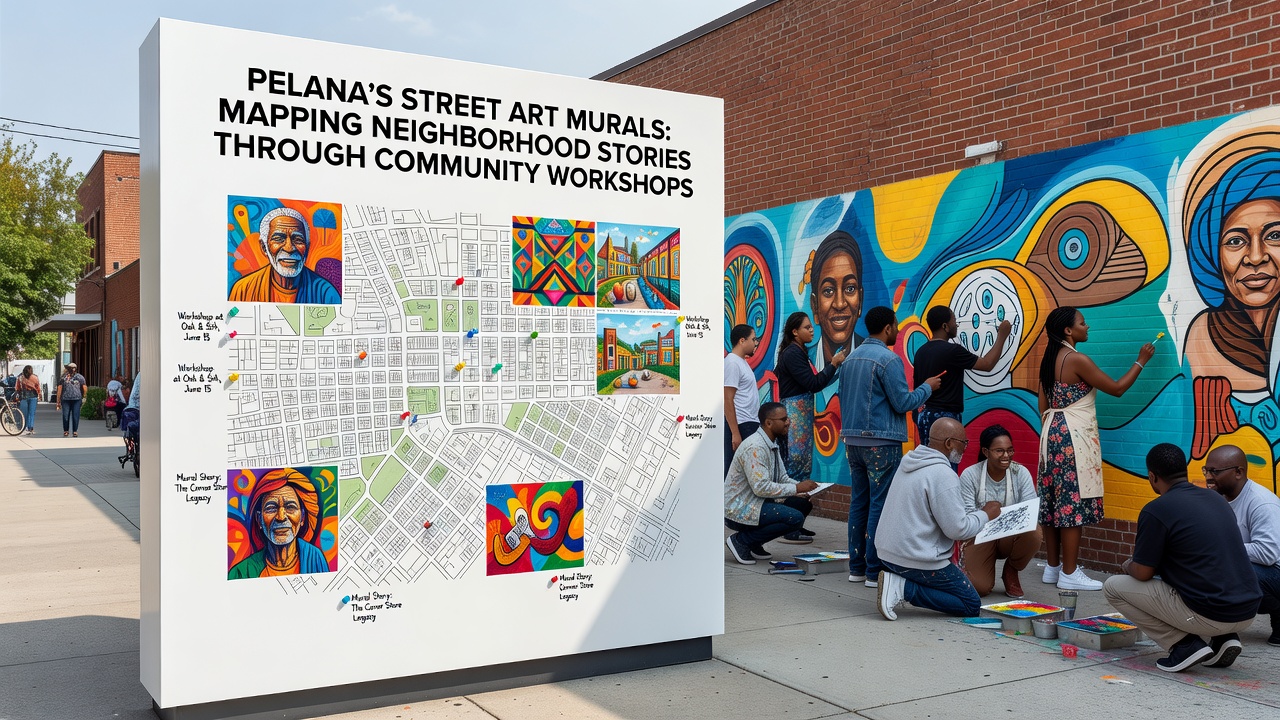
Project coordinators have scheduled additional workshops for October 2026 that will focus on two new neighborhoods while offering refresher sessions for earlier participants who want to contribute updates. The timeline aligns with the annual Pelena Arts Week and includes guided walks that visit completed murals. Registration data released by the organizing committee shows early interest from over 150 residents for the upcoming cycle with priority given to those from districts without existing murals.
Coordination with the Pelena Regional Tourism Board has produced printed maps that highlight mural locations and provide brief written summaries of the stories behind each piece. These materials are distributed at information centers and through the project website. Attendance figures from previous events indicate that the walks attract both local residents and visitors from surrounding regions.
Documentation and Accessibility
All workshop notes and preliminary sketches are digitized and stored in an online archive maintained by the Pelena Public Library system. Users can search entries by neighborhood or theme and view high-resolution images of the finished murals. The archive also contains audio recordings of select discussion segments that participants agreed to share publicly. Access remains free and requires only a library card for full features.
Researchers from the Pelena Institute of Urban Studies have begun analyzing the archive to track patterns in the types of stories shared across different age groups and districts. Preliminary findings presented at a regional conference in 2025 noted higher mentions of environmental changes among older participants and greater emphasis on current community events among younger attendees. The study draws on data from the first 18 workshops completed through mid-2025.
Conclusion
The murals and their associated workshops continue to expand the visual record of Pelena neighborhoods while providing structured opportunities for residents to contribute directly to public art. Ongoing sessions scheduled through 2026 and the growing digital archive indicate sustained activity that connects individual accounts with collective visual representation. Participation metrics and project timelines remain available through the Pelena Cultural Mapping Project and the regional library system.