Nils Roth · 2 November 2026
Pelena's School Networks Test Digital Tools to Bridge Gaps for Isolated Learners
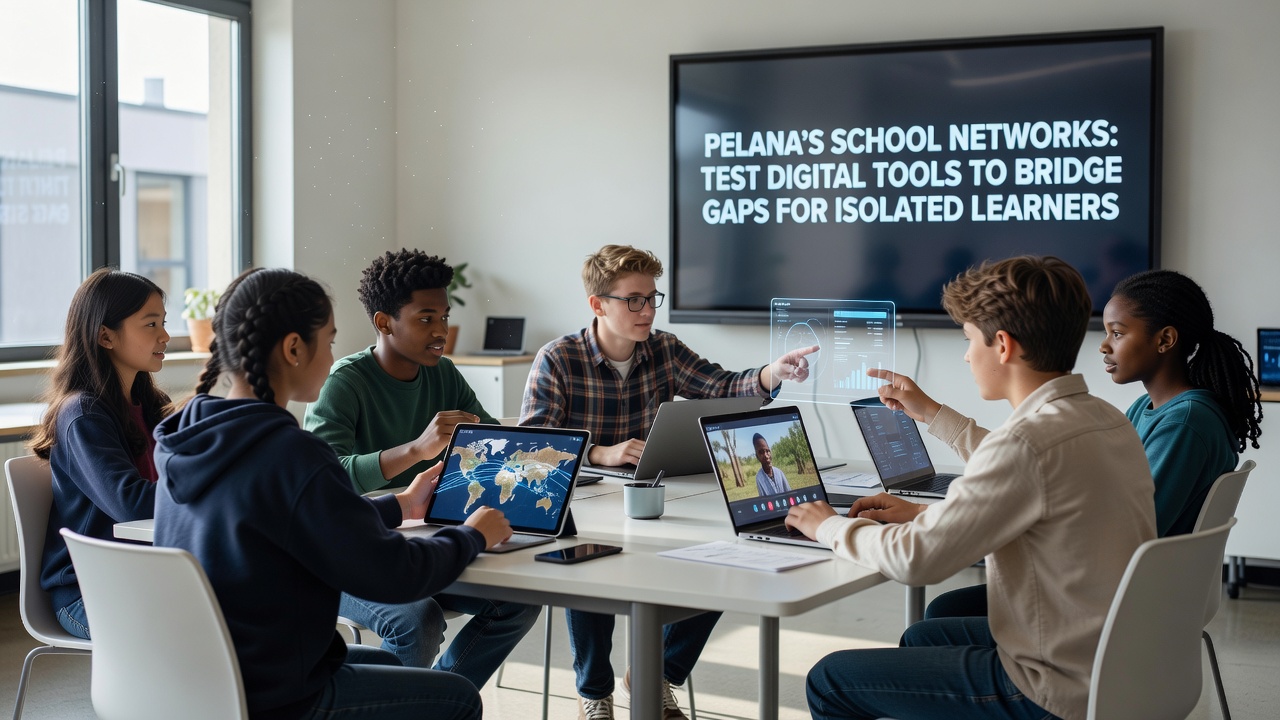
School networks across the Pelena region have launched trials of digital tools designed to support learners in remote and isolated areas, with initial phases set to expand in November 2026. These efforts focus on platforms that deliver real-time instruction, adaptive assessments, and collaborative resources to students who face geographic barriers to traditional classrooms.
According to regional education reports, participation rates in remote programs have risen steadily since 2023, driven by improved connectivity infrastructure. The current tests evaluate tools such as cloud-based learning management systems and virtual reality modules that simulate laboratory environments, allowing students in outlying districts to access experiments otherwise unavailable locally.
Scope of the Digital Tool Trials
Multiple schools in Pelena have formed partnerships with technology providers to deploy these systems, targeting subjects like mathematics, science, and language arts. Data from pilot sites indicate that students using the adaptive platforms completed core modules 25 percent faster than those relying on standard textbooks alone, though outcomes vary by age group and prior digital access.
One program incorporates AI-driven tutoring that adjusts difficulty based on individual performance metrics, while another emphasizes peer-to-peer video conferencing to reduce isolation. Observers note that these features address both academic and social needs, connecting learners across districts separated by mountainous terrain or limited transport options.
Implementation Details and Partnerships
The initiative coordinates with local network providers to ensure stable broadband in previously underserved zones, and training sessions for educators began earlier this year. Figures from the Pelena Regional Education Authority show that over 1,200 students across 14 schools have enrolled in the test cohorts, with plans to double that number by the end of 2026.
Researchers at nearby institutions have contributed evaluation frameworks, tracking metrics such as engagement time, assessment scores, and attendance patterns. A study coordinated through the OECD education database highlights similar approaches in rural European regions, where digital integration correlated with higher retention rates in secondary programs.
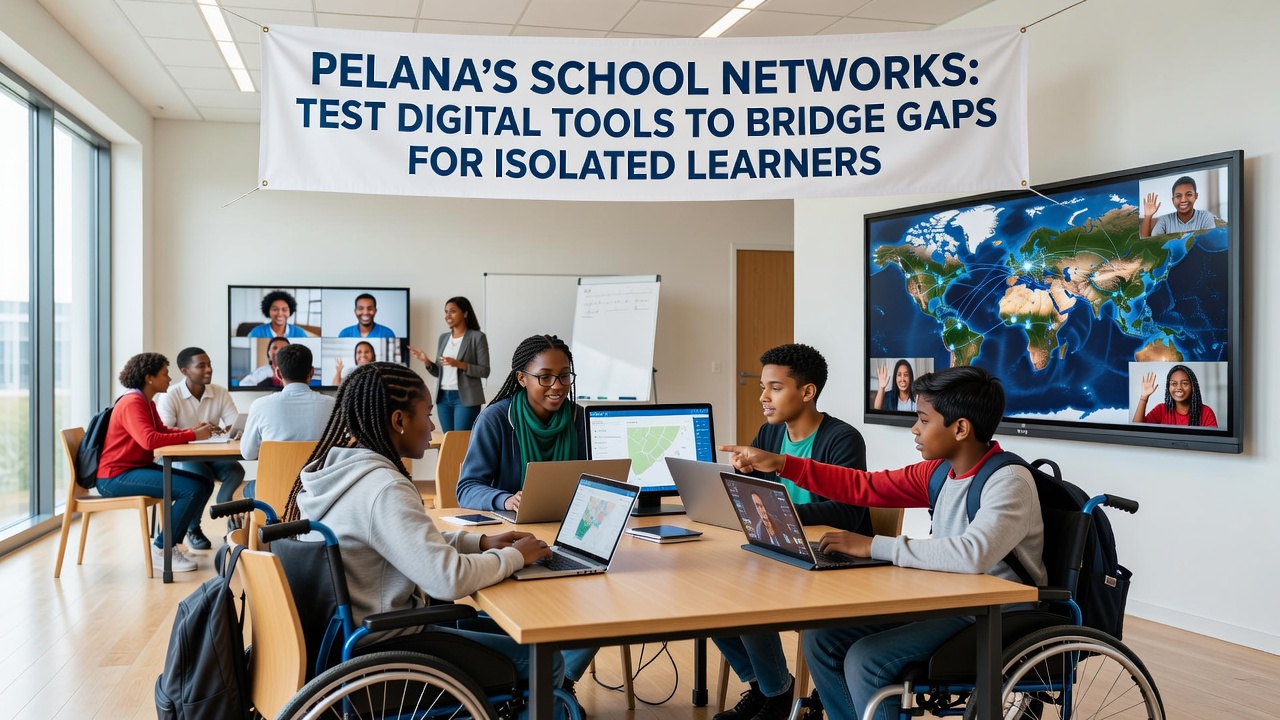
Additional resources include mobile applications that function offline, syncing data once connectivity returns. These tools prove particularly useful during seasonal weather disruptions common in Pelena's higher elevations. Teachers report that the systems allow them to monitor progress without requiring constant in-person oversight, freeing time for targeted interventions.
Challenges Addressed by the Tests
Isolated learners in Pelena often encounter delays in receiving updated materials and limited specialist instruction. The digital trials aim to close these gaps by providing on-demand content libraries and live expert sessions streamed from central hubs. Evidence from comparable programs tracked by Australia's Department of Education suggests that such interventions can narrow achievement differences between urban and rural cohorts within two academic years.
Network administrators emphasize compatibility with existing devices, many of which are older models still in use due to budget constraints. Compatibility testing continues through the fall, with adjustments scheduled ahead of the November 2026 rollout to accommodate hardware variations across sites.
Outcomes Observed So Far
Early feedback from participating families points to increased student confidence when navigating independent study periods. Attendance logs reveal fewer missed sessions once virtual options became available, especially among those traveling long distances daily. The Pelena networks continue to refine the tools based on usage analytics collected through integrated dashboards.
What's interesting is how the trials also incorporate feedback loops that allow students to rate lesson clarity, feeding directly into content updates. This approach draws from models documented in Canadian provincial education reviews, where learner input improved platform relevance over successive iterations.
Conclusion
The Pelena school networks' digital tool tests represent a coordinated response to longstanding access issues for isolated learners, with measurable expansions planned for November 2026. Ongoing data collection will determine which features scale effectively across the region, while partnerships supply the technical and evaluative support needed for sustained operation.